14 min
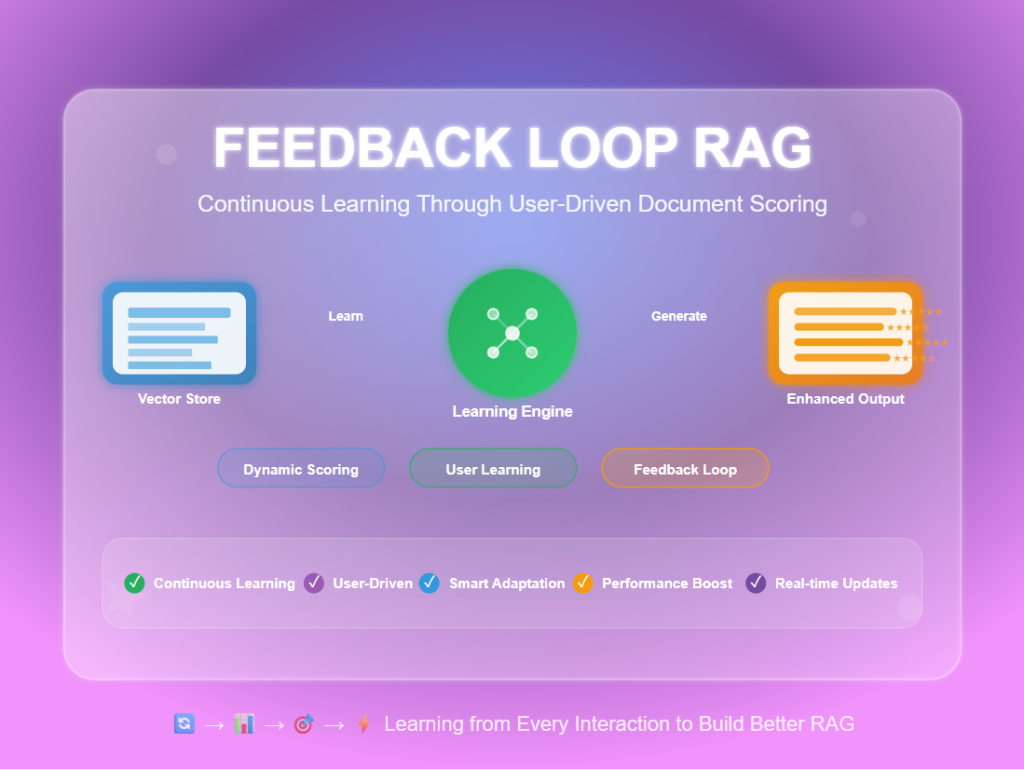
Feedback Loop RAG: Improving Retrieval with User Interactions
Feedback Loop RAG is an advanced RAG technique that learns from user interactions to continuously improve retrieval quality over time. Unlike traditional RAG systems...
14 min
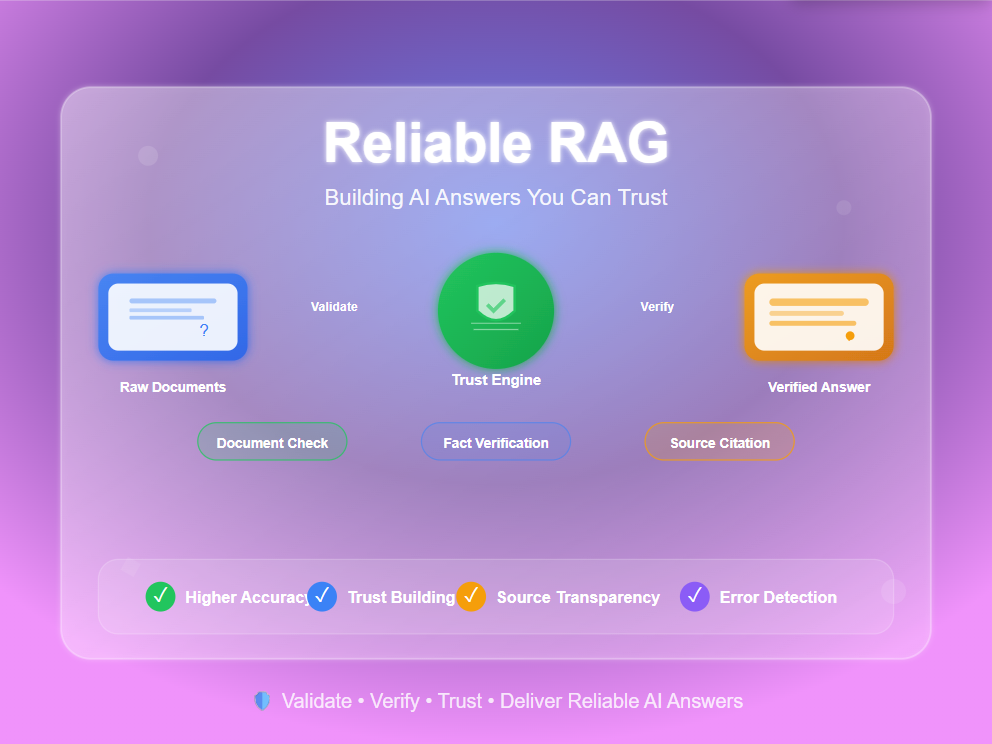
Feedback Loop RAG is an advanced RAG technique that learns from user interactions to continuously improve retrieval quality over time. Unlike traditional RAG systems...
23 min
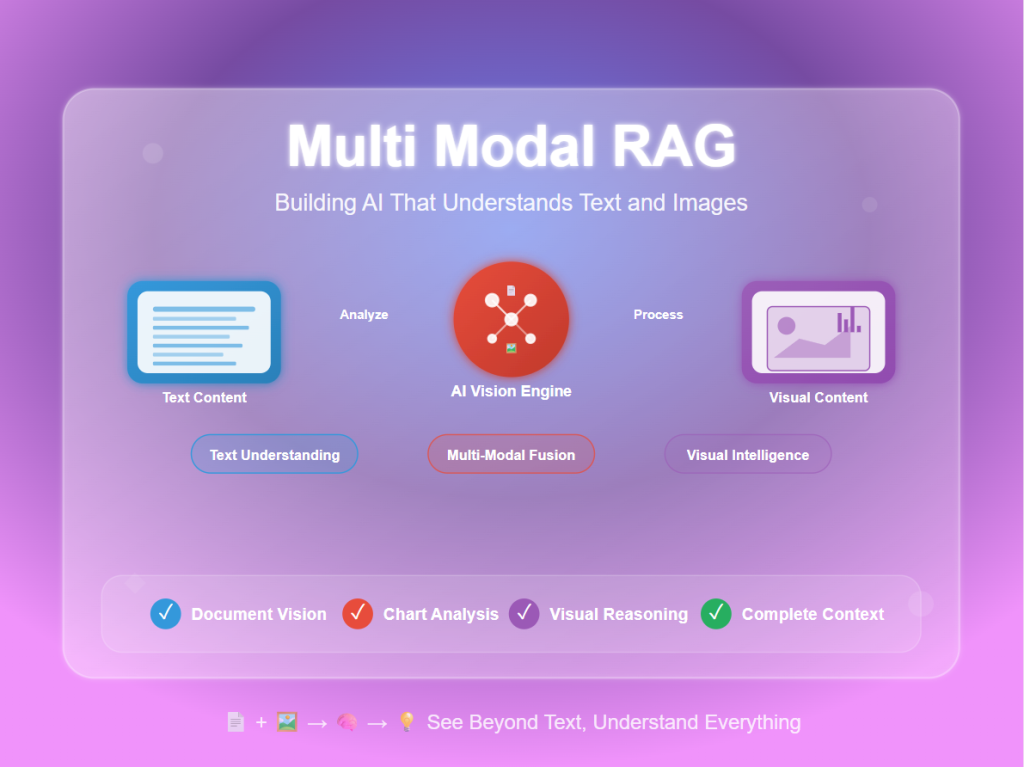
Reliable RAG is an enhanced Retrieval-Augmented Generation approach that adds multiple validation layers to ensure your AI system gives accurate, relevant, and trustworthy answers....
19 min
Multi-Modal RAG is an advanced retrieval system that processes and searches through both text and visual content simultaneously, enabling AI to answer questions using...
18 min
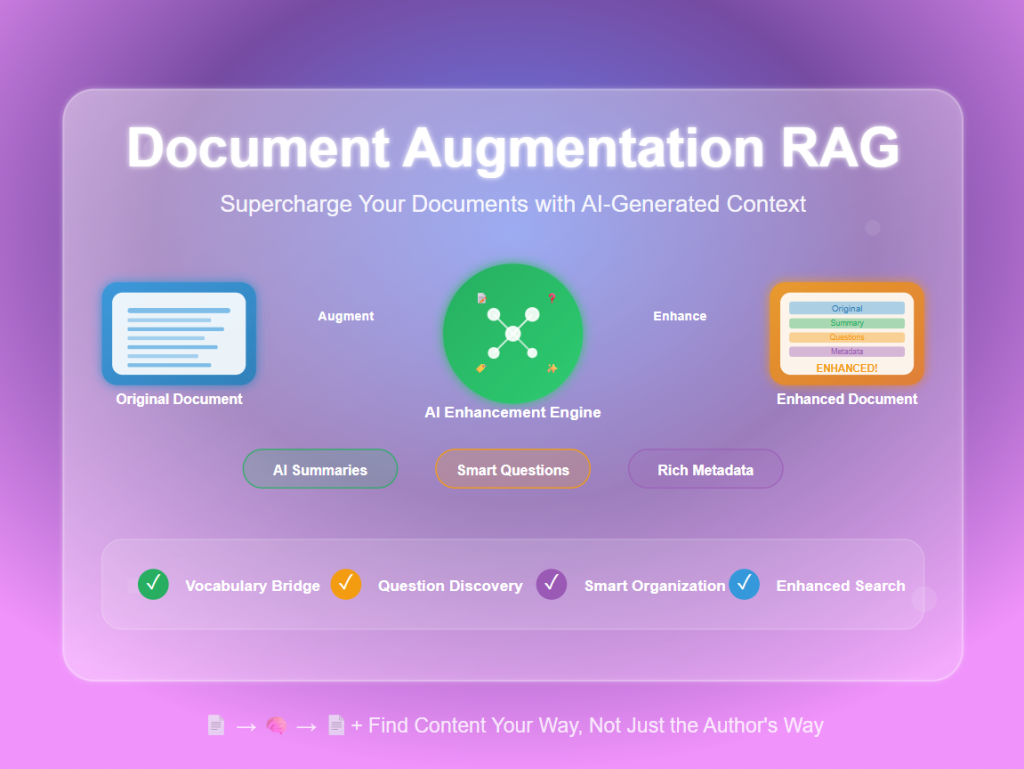
Document Augmentation RAG is an advanced retrieval technique that enhances original documents by automatically generating additional context, summaries, questions, and metadata before indexing them...
22 min
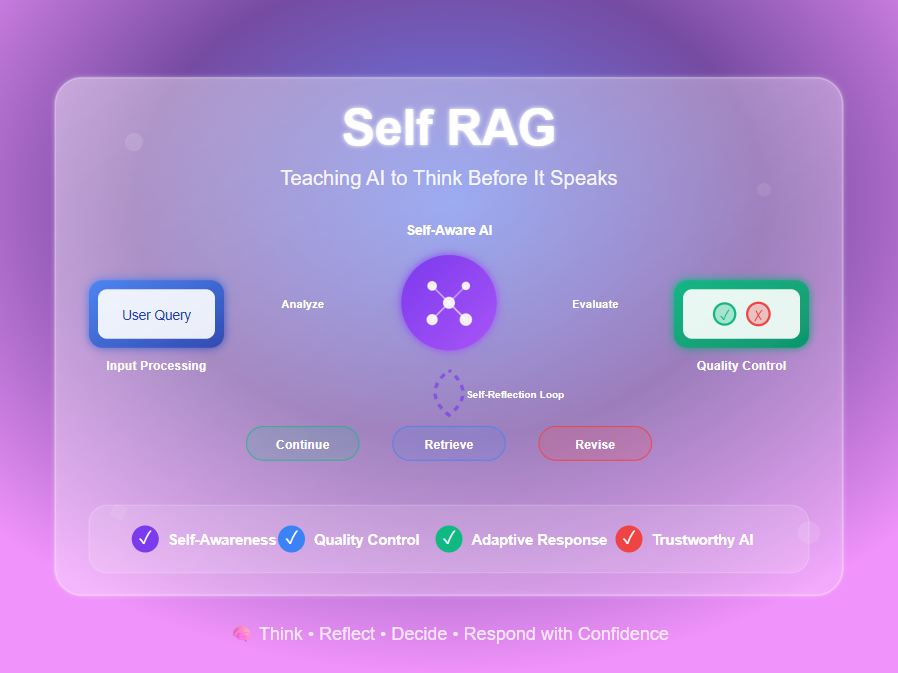
Self RAG (Self-Reflective Retrieval-Augmented Generation) is an advanced AI technique that teaches language models to critique their own performance during the generation process. Instead...
16 min
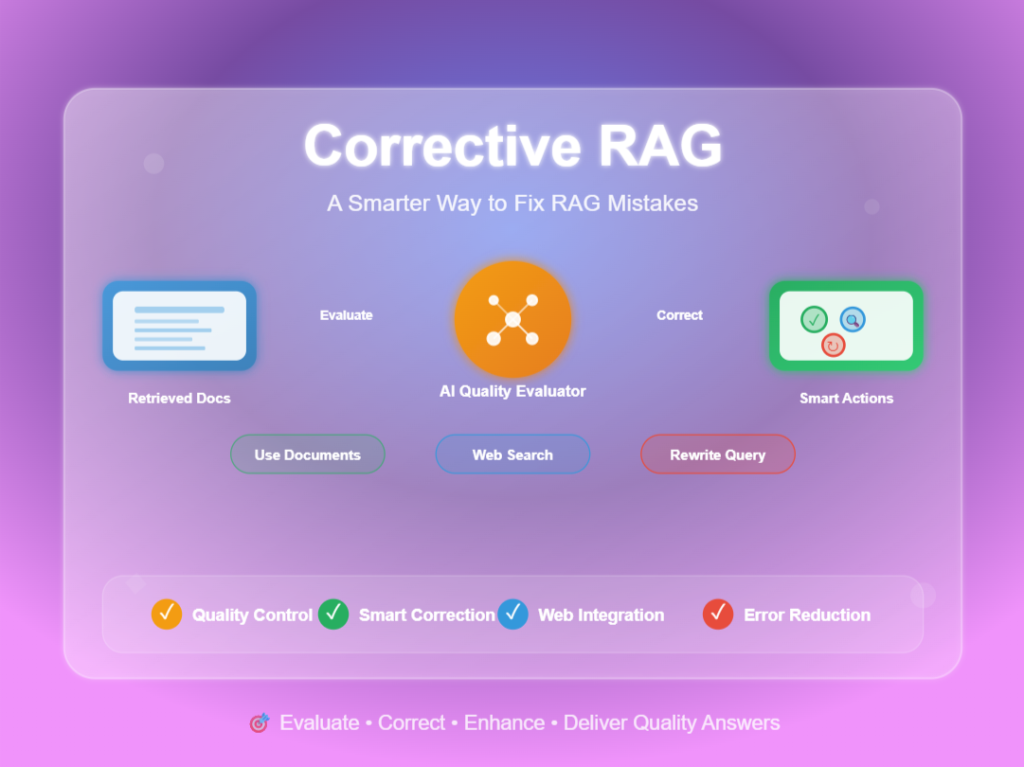
Corrective RAG (CRAG) is an advanced RAG technique that adds a quality check layer to your retrieval system. Instead of blindly trusting retrieved documents,...
14 min
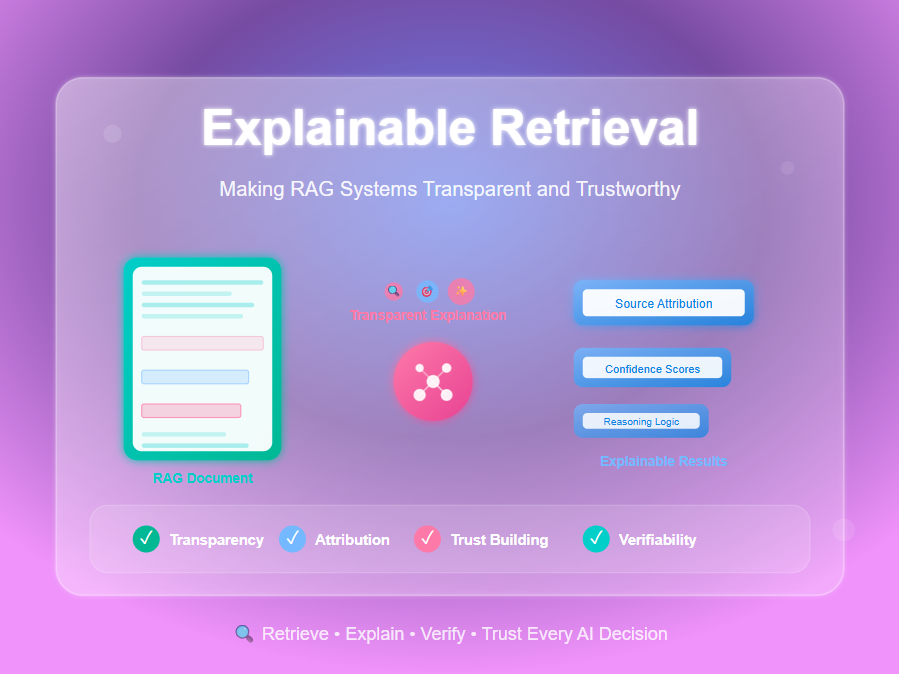
Explainable Retrieval is a technique that makes RAG (Retrieval-Augmented Generation) systems transparent by showing users which documents were retrieved, why they were chosen, and...
22 min
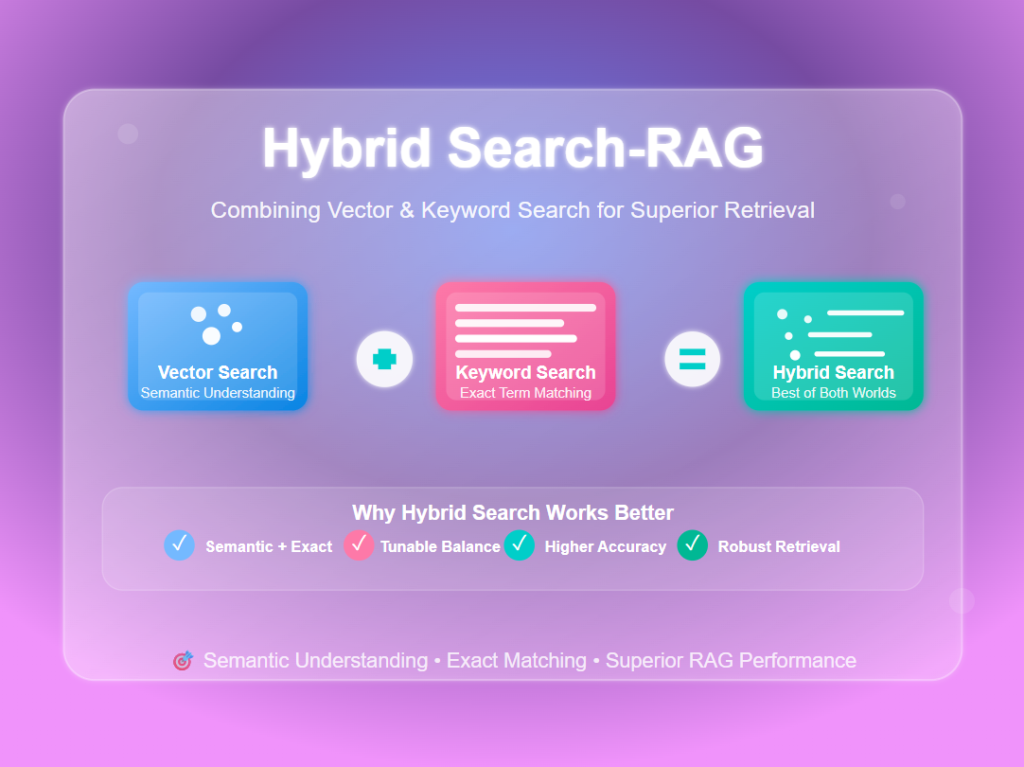
Hybrid Search-RAG combines vector embeddings for semantic understanding with traditional keyword search for exact matches, giving you the best of both worlds when retrieving...
14 min
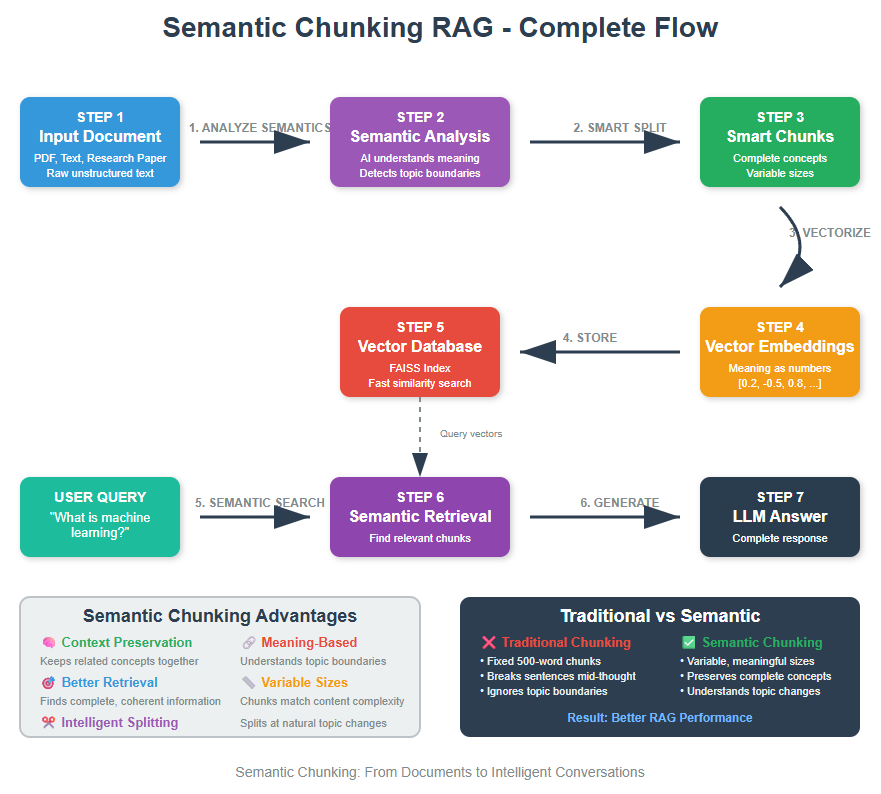
Semantic Chunking is a context-aware text splitting technique that groups sentences by meaning rather than splitting by fixed sizes. This preserves semantic relationships and...
14 min
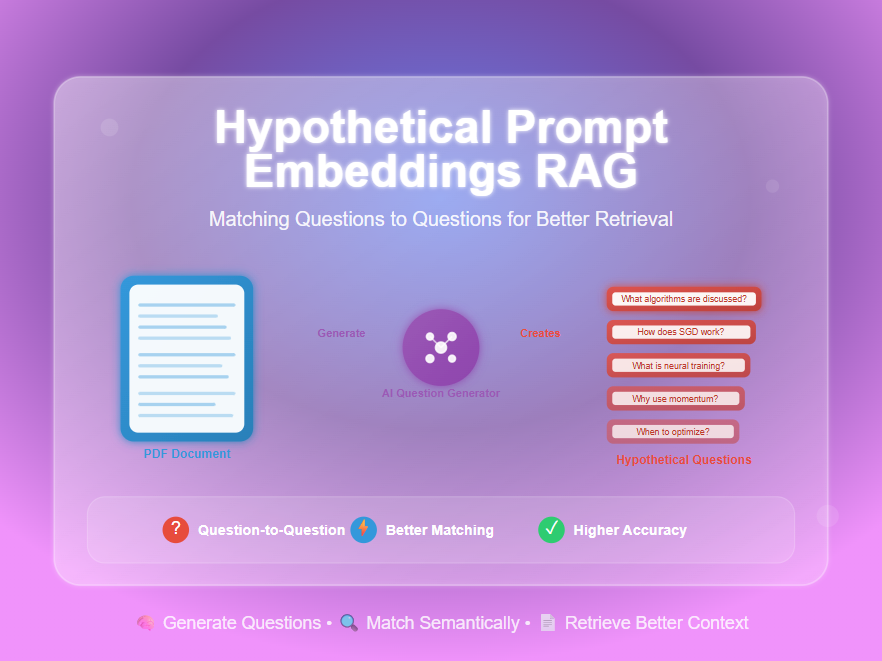
HyPE (Hypothetical Prompt Embeddings) is an advanced RAG enhancement technique that precomputes hypothetical questions for each document chunk during indexing rather than generating content...
14 min
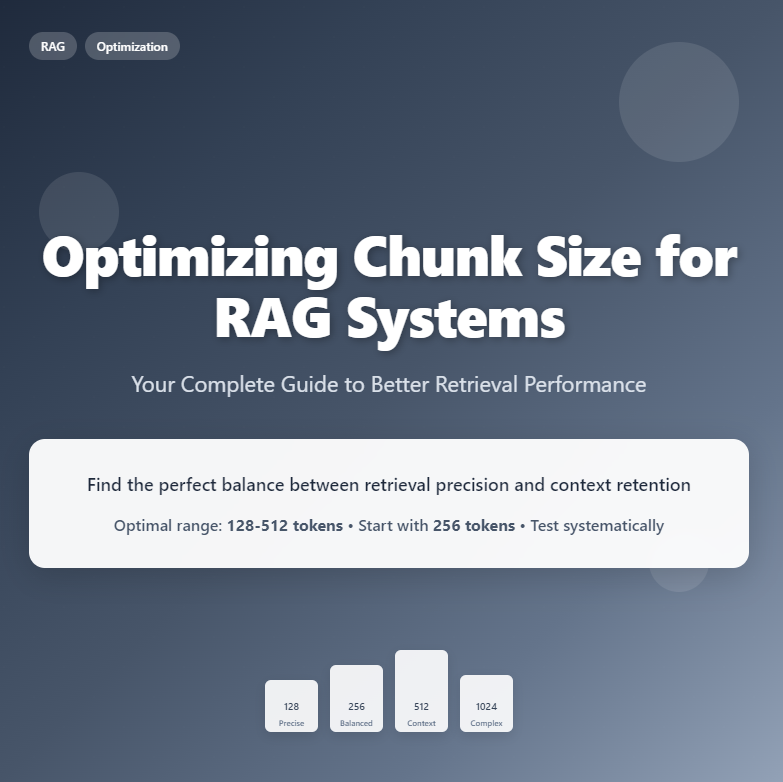
Optimal chunk size for RAG systems typically ranges from 128-512 tokens, with smaller chunks (128-256 tokens) excelling at precise fact-based queries while larger chunks...
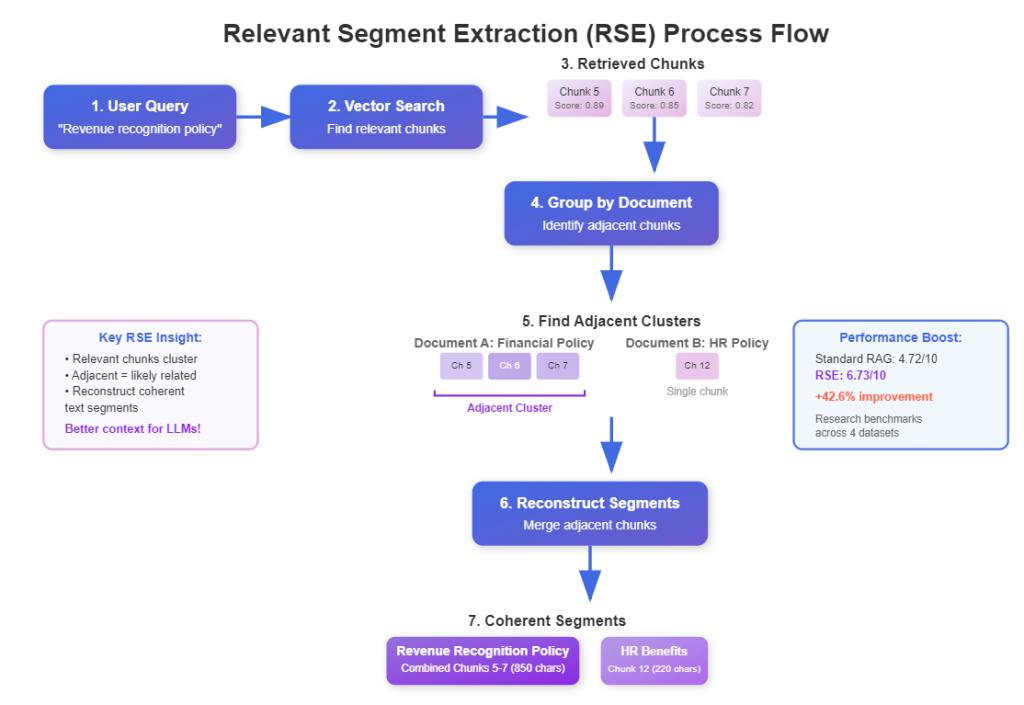
28 min
Relevant Segment Extraction (RSE) is a query-time post-processing technique that intelligently combines related text chunks into longer, coherent segments, providing LLMs with better context...
RAG (Retrieval-Augmented Generation) with CSV files transforms your spreadsheet data into an intelligent question-answering system that can understand and respond to natural language queries...
Hypothetical Document Embeddings (HyDE) is an advanced technique in information retrieval (IR) for RAG systems designed to improve search accuracy when little or relevant...
I’m going to walk you through creating a Simple RAG system. But what exactly is RAG? RAG stands for Retrieval-Augmented Generation. Think of it...
Ollama is a tool used to run the open-weights large language models locally. It’s quick to install, pull the LLM models and start prompting...
Get the exact 10-course programming foundation that Data Science professionals use.